The Water Damage Restoration Process: What You Need to Know
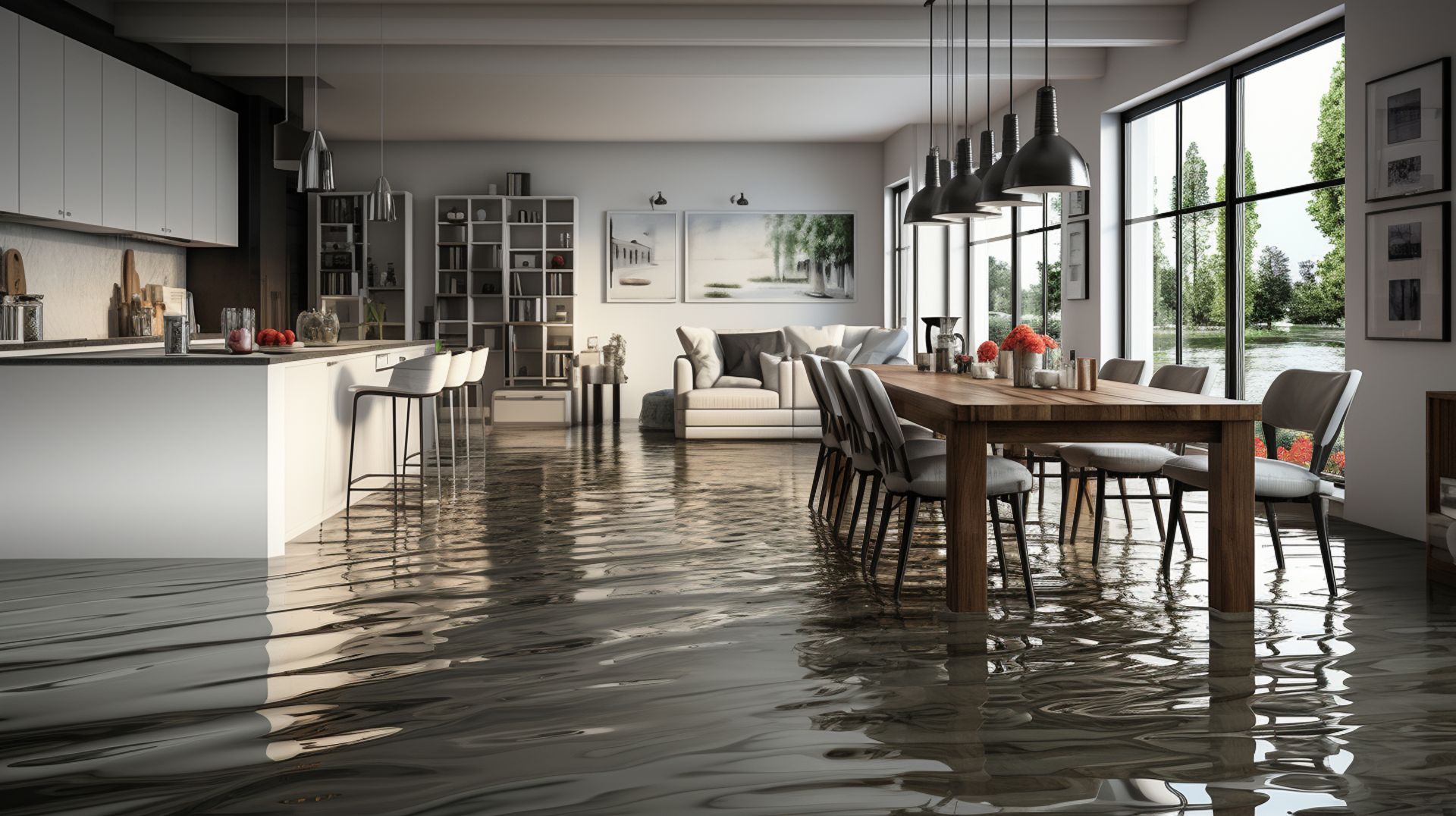
Water damage isn't just a headache - it's a full-blown crisis for your home or business. Whether disaster strikes from a burst pipe, a deluge of rain or a badly leaking water heater, the clock starts ticking to get things sorted before it's too late. Without swift action, the damage just gets worse: warped floorboards, cracked foundations and the silent killer - mold growth.
So what happens if the cavalry comes to rescue? When you call in the pros for water damage restoration, things are moving fast. The team will jump into high gear to get your property back to its pre-flood state. The science behind their approach is based on a tried-and-true method to get your life (and your property) back to normal. This article is your go-to guide on the water damage restoration process - from the initial phone call to the last inspection.
Key Takeaways
- Time is of the essence when it comes to water damage - you need to act fast to prevent further damage and safety hazards.
- It all starts with an emergency phone call and a quick on-site visit to assess the damage and figure out what equipment is needed.
- Water gets sucked out with industrial-grade pumps and vacuums - just as well, because it makes a big difference when dealing with a big flood.
- Proper drying and dehumidifying are crucial to banish hidden moisture and stop mold in its tracks.
- Cleaning and sanitizing bring your indoor air back to normal and remove all the nasty stuff you don't want hanging around.
- Fixing what's broken gets your property back to square one - and a final check to make sure everything is ship-shape.
The Water Damage Restoration Process: A Step-by-Step Guide
The restorers have a tried-and-tested process to follow. Each stage builds on the previous one to make sure they catch everything that needs fixing.
Step 1: Emergency Call and Initial Inspection
The moment you make that emergency call, the ball is rolling. Time is of the essence, and every minute counts when dealing with water damage. Professional restoration teams are on call 24/7 and can dispatch a team at a moments notice to get to you ASAP.
Get Ready for a Quick Response
When disaster strikes, every second counts. When you call in the professionals for water damage restoration, you can bet they'll be there as quick as a flash. Your emergency call is where the process starts, and representatives from the restoration company will ask some key questions to get a sense of what's going on - like where the water came from, what time the flood happened, and any immediate safety concerns you might have.
Get the Lowdown on the Damage
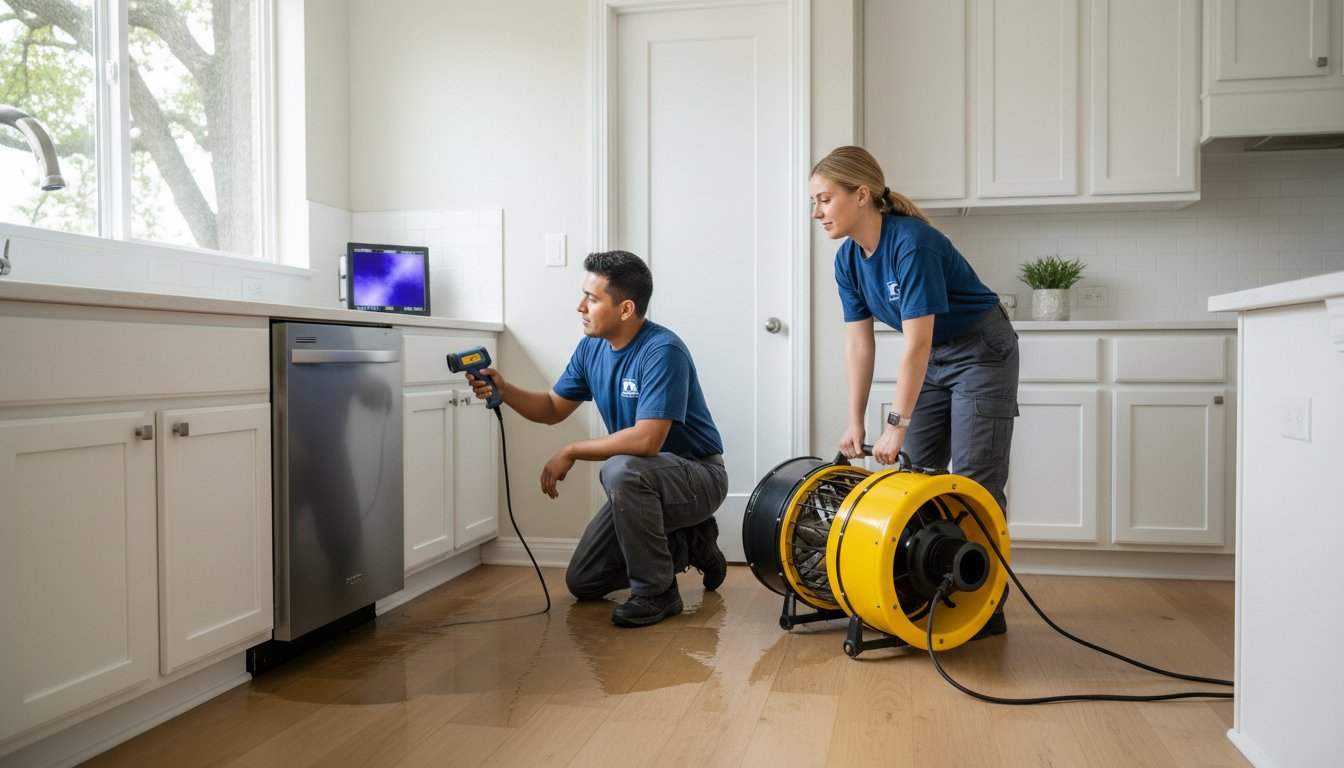
Once the team arrives, they'll do a full walk-through to get a better idea of the extent of the damage. They'll use some fancy equipment to track down hidden water behind walls and under floorboards, and classify the type of water you're dealing with. That's important because it dictates what safety procedures and cleaning methods to use going forward.
Step 2: Get the Water Out
After assessing the damage, the water removal team springs into action. And let us tell you, they don't just rely on some old wet vacuum to get the job done. No way! They're talking industrial-grade submersible pumps and truck-mounted extractors - the kind that can suck out thousands of gallons of water in no time.
Inspecting for Hidden Water
And just because the bulk of the water is gone, that doesn't mean the job is done. There may be hidden water lurking in wall cavities, ceiling plenums and subflooring - and that's where the trouble starts. After the bulk of the water is gone, technicians will do a second sweep to make sure there's no more water hiding out. And only then can they move on to drying and dehumidifying.
Air Movers and Dehumidifiers
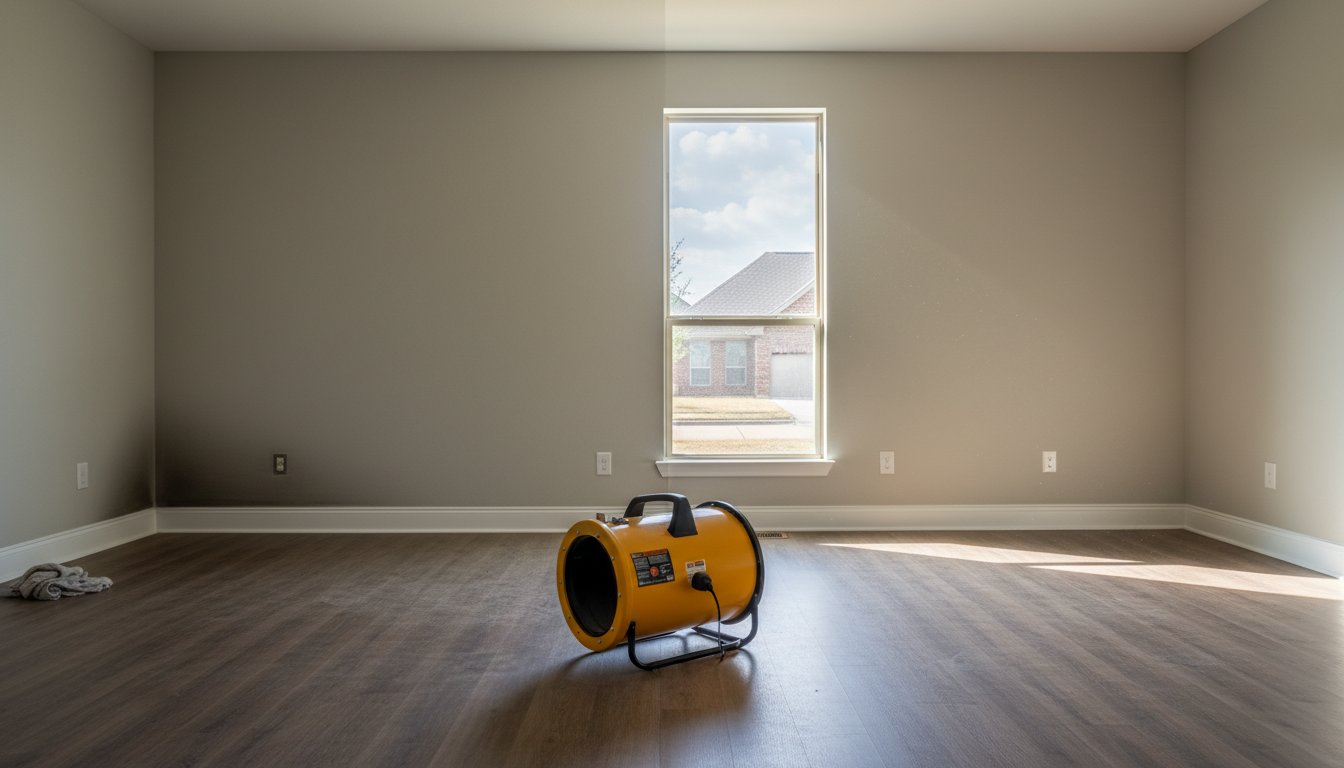
To get that structure completely dry, techs take control of the indoor environment by teaming up high-velocity air movers and industrial dehumidifiers. They strategically position air movers to blow dry air across wet surfaces, forcing moisture to evaporate into the air, and at the same time dehumidifiers suck up that moisture-laden air, condense the water & pump it right out of the building.
Monitoring the Drying Process
Drying a building's an exact science that requires constant supervision, which is why techs visit the property every day to keep an eye on how the drying's going. They take note of the temperature, relative humidity levels, and the water content of affected materials. If some areas get too dry too slow, the team may need to adjust the placement of the equipment to get the airflow just right and make sure all the structural elements dry out good & proper.
Don’t Let Water Damage Get Worse — Act Fast.
When water damage strikes, every minute counts. The sooner professionals step in, the better the chances of preventing costly structural damage and dangerous mold growth.
Step 4 - Cleaning & Sanitizing
Once that structure is good & dry, the environment's gotta get cleaned & sanitized - because water damage often leaves behind dirt, debris and all sorts of other nasties that can really mess with the indoor air quality.
Cleaning Up Various Surfaces
Techs use special techniques to clean not just structural elements, but also your personal stuff too. Hard surfaces like walls, floors & the like get a good scrub and disinfect. For your personal belongings, furniture & textiles, restoration experts will do a comprehensive contents cleaning and recovery service - they'll clean, treat and store your stuff safely till your property's ready for you to move back in.
Sanitizing & Odor Removal
Getting rid of health hazards is top priority at this stage. Pros use heavy-duty antimicrobial and antibacterial treatments to kill off any existing bacteria and stop mold from growing. And water damage often leaves behind some pretty nasty, musty smells. Techs will get out their heavy-hitting deodorization gear - like thermal foggers or ozone generators - to neutralise those odour-causing particles right down at the molecular level.
Step 5: Restoration & Repair
Last stage of the process is restoration - which is all about getting your home or business back to the way it was before the damage.
Minor & Major Repairs
Depending on how bad the damage was, restoration can be anything from tacking on a few minor fixes to full-on reconstructing chunks of the property. Minor repairs might include slapping in some new drywall, replacing damp carpet underlay, or just slapping on a fresh coat of paint. But when it's a real bad flood or Category 3 water damage, you might need to bring in the big guns - like tearing out and rebuilding heavily damaged bits of the property.
Final Inspection
Before you call it a day & sign off, project manager will do a proper final walk-through with you. This gives them a chance to make sure all the structural repairs are up to local building codes and industry standards - and it also gives you chance to check that the whole property's spotless, dry and safe to live in.
Frequently Asked Questions
How quick can Best Option Restoration of Denton get to my water emergency?
Best Option Restoration of Denton are on call 24/7 - so in most cases, you can expect them to be on-site within an hour - which helps keep damage to a minimum.
What sorts of water damage do Best Option Restoration of Denton handle?
They deal with all sorts of water damage - from flooding & leaking pipes to appliance failures, sewage backups and storm damage.
Can I stay in my home during the restoration process?
That depends on the extent of the damage & where the damage is. Usually, you'll be able to stay in your home during the restorative work, but if there are significant repairs or safety risks, you might need to move out temporarily.
Will you help me with my insurance claim?
Yes, Best Option Restoration of Denton will take care of all that for you - they'll work directly with your insurance company, handle all the paperwork & keep you informed throughout the process.
How long does water damage restoration typically take to complete?
The length of time it takes to get back to normal varies quite a bit, depending on just how big the disaster is and how damaged the area is. Once we've taken a good look and assessed the damage, we'll give you a proper timeline and keep you in the loop every step of the way - we like to think of it as clear and honest communication is key here.
Are the people working on my property certified?
At Best Option Restoration of Denton, everyone on our team is certified through the IICRC - that's a pretty big deal in our line of work. They're also all fully insured and trained to do things the right way. It's a guarantee that the work will get done, safely and correctly.
What can I do to make sure my home doesn't suffer water damage in the future?
Routine maintenance is the name of the game here - get into the habit of checking on your pipes and appliances, make sure water's draining properly outside, and when you do notice a leak or anything, don't delay, get on it quick smart. Also, after a bad storm it's a good idea to get a pro to take a look around just to be on the safe side.
Got a question or need help fast? We're here for you - Best Option Restoration of Denton is just a phone call away, 24/7.
Conclusion
Getting over water damage needs a super-structured approach that's backed by real science. The 5 main stages - emergency assessment, water removal, drying, cleaning and structural restoration - need to be done precisely right to protect the integrity of your property. Don't even think about trying to handle water mitigation yourself without the right gear or training - or you'll probably end up with missed moisture, toxic mold growth and some expensive secondary damage.
If you're in the Dallas-Fort Worth area, finding a top-notch, certified, experienced partner is your best bet. Best Option Restoration of Denton are top-notch pros who'll be with you every step of the way. They've got a crew certified by the IICRC, available 24/7 - they'll tackle your water emergency in no time.
And the best part is, they don't just deal with the technical bit - they'll take care of all the paperwork and admin for you too - dealing with your insurance company & handling all the claim paperwork.
Search Post
Recent Post