How to Prevent Water Damage in Your Home Before Disaster Strikes
Water damage in homes is a costly and frustrating problem. While the occasional flood may be unavoidable, the majority of water-related damage can be avoided with a bit of regular maintenance and knowing what to look for. It's much less hassle and expense to prevent damage in the first place than it is to fix the mess after it's happened.
Here we're going to share what we know about the practical measures that you can take to prevent water damage, from the basics of keeping your plumbing in order to emergency prep and a plan of action. By following our advice, you can help keep your home safe and sound and avoid the stress of dealing with water damage.
Key Takeaways
- Check your plumbing fixtures and appliances regularly for signs of leaks - the sooner you spot a problem the better.
- Do some routine exterior maintenance like cleaning your gutters, checking your roof for damage and making sure that your downspouts are sending water away from your foundation.
- Make sure your basement and crawlspace are properly waterproofed and seal any cracks in the foundation to stop water from seeping in.
- Watch out for early signs that something is going wrong, like stains, bad smells, and strange noises - the sooner you catch a problem the easier it is to fix.
- Have a disaster plan in place, including knowing where your shut-off valves are and having a good emergency plumber on speed dial.
- Consider investing in some smart home tech like leak detectors and automatic shut-off systems - it could save you a world of trouble.
Keeping Your Plumbing and Appliances in Good Shape
Inspecting your home's inside plumbing and appliances on a regular basis is a great way to stop leaks in their tracks. Do this a few times a month, and you'll be amazed at how often you spot problems before they get out of hand.
Kitchen and Bathroom Checks
Take a close look at the pipes under the kitchen and bathroom sinks. Are they wet or showing signs of wear? Check the supply lines to your toilet, sink and icemaker - make sure they're not leaking or cracked. And take a look at the sealant around the shower, bath and sink - is it still doing its job and keeping water out of the walls?
Appliance Maintenance
Your home's appliances are a common source of water damage. Check the hoses on your washing machine, dishwasher and water heater for bulges, leaks and cracks. If you really want to be safe, consider replacing the standard rubber hoses with tougher braided steel ones. And get your water heater checked out by a pro every year and drained from time to time to keep it in good nick.
The Outside-of-Your-Home Stuff You Need to Know About
Your home's exterior is designed to keep the water out - and it's up to you to keep it working properly.
Keeping Your Roof, Gutters and Downspouts in Good Shape
A well-maintained roof and drainage system is your first line of defense against rain and groundwater. If this system fails, water can pour into your home and cause all sorts of damage.
Gutters, Gutter Guards and Downspout Cleaning
Get your gutters and downspouts cleaned out twice a year, in the spring and fall. Leaves and twigs can clog up these channels and cause water to spill over and run down the side of your house or collect around the foundation. Make sure your downspouts are a good few feet away from your home to keep them from sending water right up against the foundation.
Roof Check-ups
Take a close look at your roof every so often to make sure there are no missing or damaged shingles that could let water in. Don't forget to check the flashing around chimneys, vents and skylights - this stuff is prone to failure and can cause a lot of damage if it gives way.
Foundation Maintenance
Groundwater is always a threat to your basement, crawlspace and foundation. Keep your yard graded properly and make sure your foundation walls and floors are sealed up tight to prevent water from seeping in.
Foundation Waterproofing and Landscaping
Inspect your foundation walls and floors for any cracks, and seal them up right away. If you want to be extra safe, apply some waterproof sealant to the inside walls of your basement or crawlspace. And if you live in a place with a lot of rain or poor soil drainage, consider installing a sump pump to automatically take care of water that collects around the foundation.
The Yard Grading Basics
The ground around your house should slope away from the foundation, making sure rainwater flows away from the structure rather than collecting at its base. Don't forget about your landscaping, either - large tree roots can grow into underground pipes over time, potentially causing damage.
Getting Ready for a Water Damage Crisis?
Even if you're a diligent homeowner, things can go wrong. Knowing how to spot the early signs of a water problem and what to do in case of an emergency is key to avoiding a big mess.
Water Problem Red Flags
It's a good idea to know the telltale signs of a water issue lurking in the background. Keep your eyes and nose open for these telltale signs.
Look for Any Unusual Signs
Check your walls and ceilings for any stains or discoloration - that could be a sign of a slow leak from a pipe or roof issue. If you see paint or wallpaper peeling off or bubbling up, that's often a sign of moisture somewhere behind the surface. Don't ignore musty or earthy smells either - they often mean you've got a water problem brewing.
Don't Ignore the Little Things
Take a closer look at your floors - are there any warped or buckled spots? And if your water bill has suddenly gone up, that's a pretty good sign that something's going on. And lastly, if you hear the sound of running water when all the faucets and appliances are turned off, you'd better get to the bottom of it fast.
What to Do in an Emergency
In case of a burst pipe or a major leak, being able to act quickly can make a huge difference. Knowing what to do while you wait for help to arrive can help limit the damage.
What to Do First
The first thing you need to do is turn off the water supply. Know where your main water shut-off valve is, and make sure everyone in the household does too. Keep a restoration company's contact info handy so you can get help fast.
Tech to the Rescue
You might want to consider investing in some smart home tech that can help prevent water problems in the first place. Leak detectors can be set up near appliances and in the basement, and will send an alert to your phone if they detect any moisture.
Frequently Asked Questions
What are the most common causes of water damage in homes?
Leaks or burst pipes, faulty appliances, roof leaks, clogged gutters, inadequate drainage and bad weather are the usual culprits.
How often should I do a plumbing check?
Check your plumbing at least once a month - it's much easier to catch a small leak early on rather than waiting for it to get out of hand.
How often should I clean the gutters?
Get out there twice a year and clear out any leaves and debris. Spring and fall are usually the best times to do it.
How can I keep my basement or crawlspace dry?
Fix any cracks in the foundation, use some good quality waterproof products, and if you live in a place that's prone to flooding, consider installing a sump pump.
What do I do if I find water damage?
It depends on your policy, and what caused the damage. Sudden events are usually covered, but if it's because of your own neglect, you might be out of luck.
Why choose a restoration company?
They know what they're doing, and have the equipment to get the job done right. They can also help with insurance claims and make the whole process less painful.
Conclusion
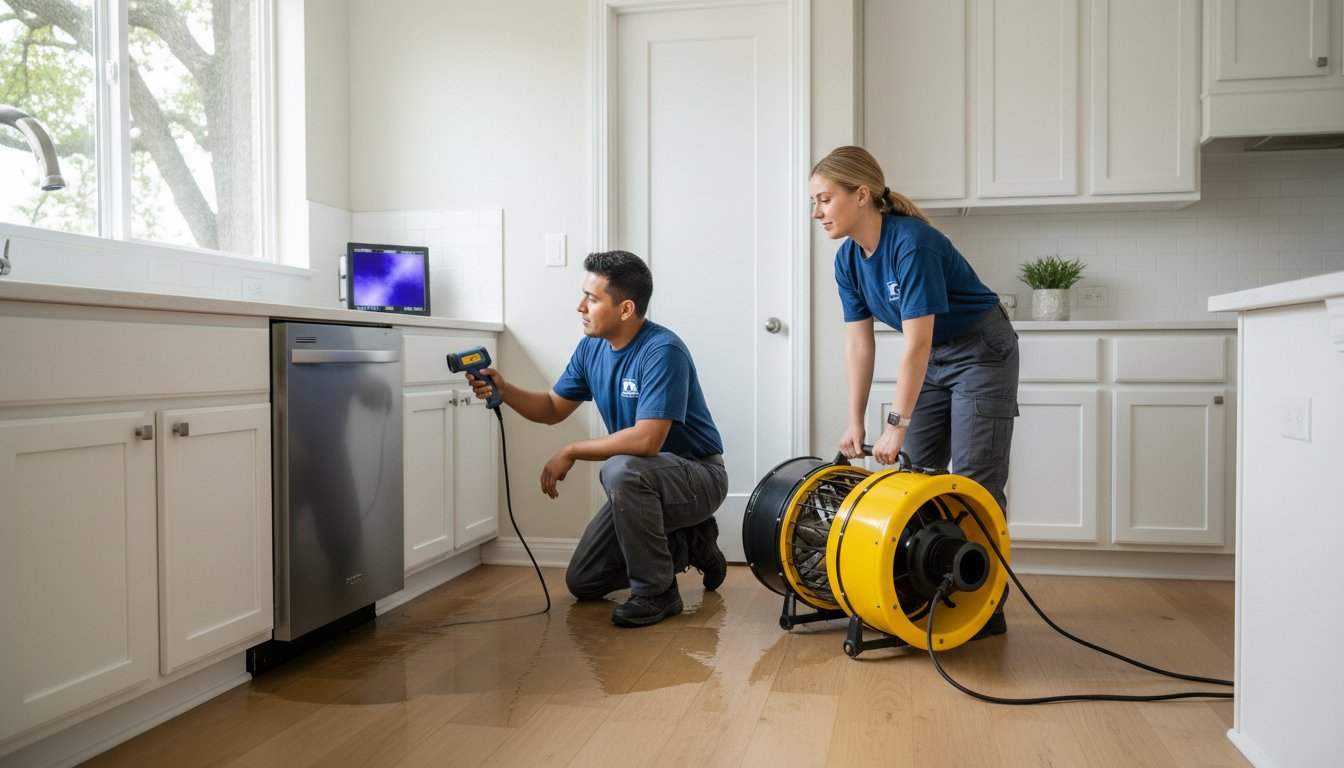
The best way to avoid water damage is to be proactive. Regular checks of your home's exterior and interior, regular maintenance of your plumbing and structural components, and being aware of any warning signs will go a long way in keeping your home safe from water damage. But should you suddenly be dealing with some sort of water emergency or think you already got one on your hands, getting some real help pretty much right away is the key. If you happen to be in Denton or the surrounding Dallas-Fort Worth area and need someone to bail you out, then Best Option Restoration of Denton is a service you can actually trust. They've got certified techs on call 24 hours a day, 7 days a week, ready to take care of whatever water-related mess you're dealing with. They'll send out their IICRC-certified pros with all the right gear for the job - from taking out the water to all the way back to restoring your home to its former state. Communication is always clear and they'll even deal with your insurance company directly to try and make this whole ordeal as painless as it can be. To avoid some of this mess in the first place, check out these preventative tips - but dont worry if things still go sideways, just be sure to reach out to a real pro when you need one
Search Post
Recent Post